Oberoi Thermit GroupWatch on YouTube
Oberoi Thermit logoOBEROI THERMITPVT. LTD. · WORKING SINCE 2001Contact us

Testing and inspection

Rail-cum-road vehicles

Vehicles that drive to site on the road and then run on the track on their own rail wheels, so testing and inspection teams reach the section faster.

RCRVRCRIVRoad to rail in minutes
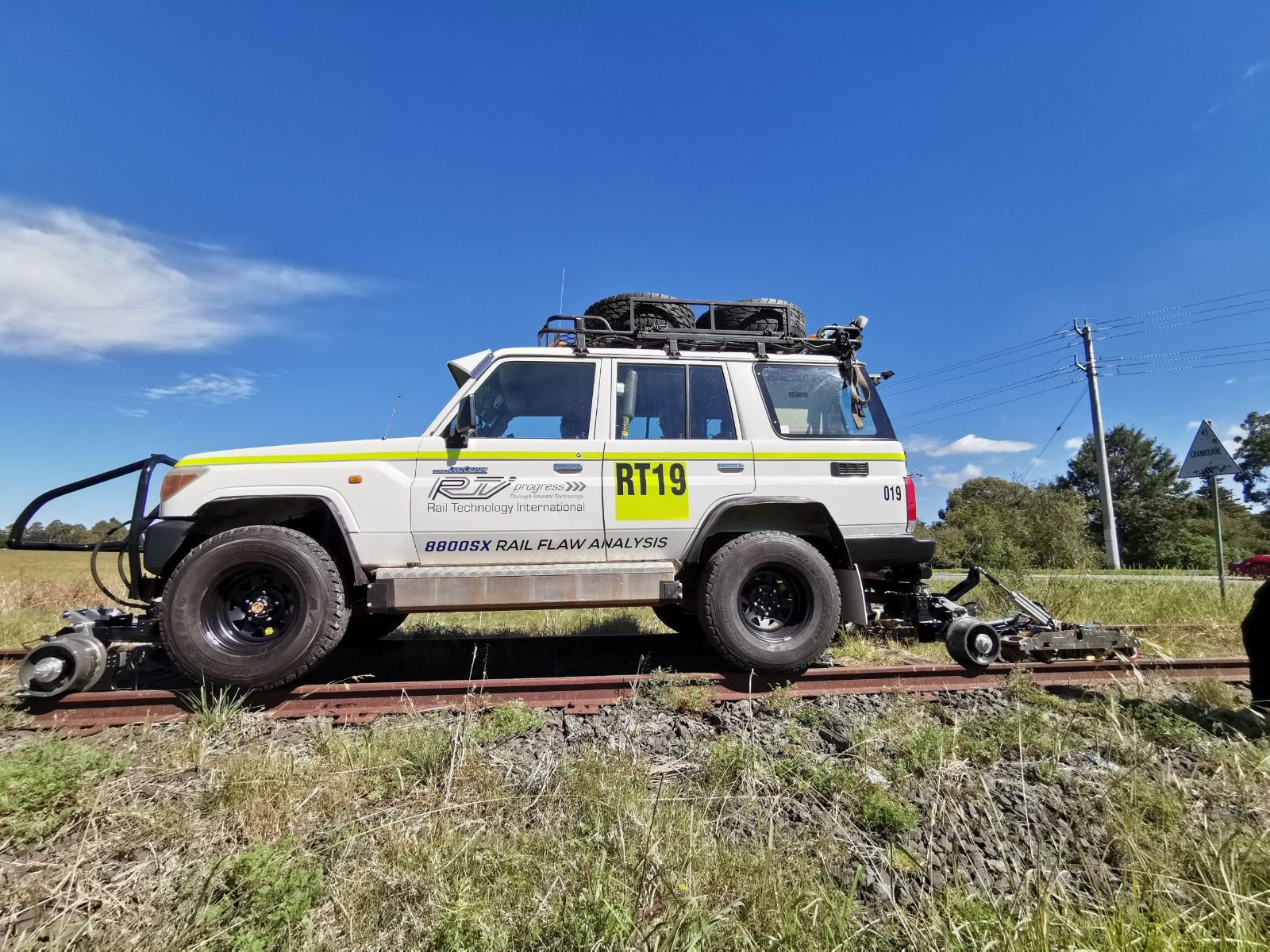
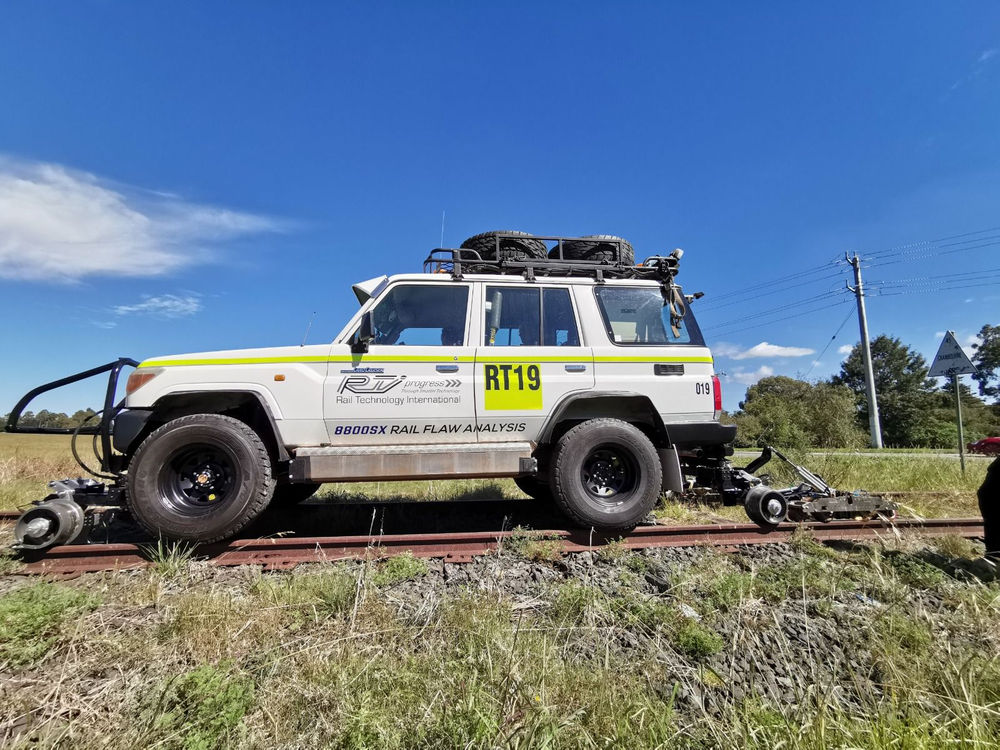
RCRV rail-cum-road ultrasonic testing vehicle on railway track

Capacity and safety

Why vehicles

Most ultrasonic rail testing in India is still done on foot, pushing a trolley along the rail. As trains get faster and more frequent, there is less and less time between trains to do it, and stepping a trolley off the track again and again is slow and risky. On multiple lines, in tunnels and on bridges there is little room to step aside at all.

A vehicle tests far more track in a day, and the people doing the testing sit inside it instead of standing on the line. A rail-cum-road vehicle also drives to the section by road, so it does not need a train path to get there.

Two vehicles

RCRV and RCRIV

RCRV rail-cum-road ultrasonic testing vehicleFirst in India

RCRV: ultrasonic rail testing

An SUV-based rail-cum-road vehicle that tests rails ultrasonically as it runs, using vehicle-based testing technology from our partner Rail Technology International, Australia. Developed by our group company Tranz Rail Solutions. It completed its trials and approvals on Indian Railways in 2025.

RCRIV rail-cum-road inspection vehicle for Indian Railways on the trackFirst in India

RCRIV: track inspection

An SUV-based rail-cum-road vehicle built for Indian Railways for general inspection of track. It drives to the section by road and goes onto the rails on its own wheels. The Railway Minister inspected it at New Delhi station on 5 December 2024.

Step by step

How the RCRV tests a section

  1. Drive to siteThe RCRV drives to the section on the road, like any SUV.
  2. Onto the railsAt a level crossing or access point it lowers its rail wheels and goes onto the track.
  3. Test on the moveUltrasonic probes on the rails test both rails as the vehicle runs, and every reading is recorded against its location.
  4. Verify on footEach suspected defect is checked on the ground with a B-scan 9-channel rail tester, as Indian Railways' specification requires, before it is classified and acted on.

Approved

Technology and approvals

Rail Technology International, Australia, has been building rail flaw detection systems since 1988. Their ultrasonic system is compact enough to fit inside a four-wheel-drive vehicle, and it uses artificial intelligence to help analyse the data, so the result does not depend on one person's judgement. Our group company Tranz Rail Solutions is RTI's exclusive partner for India.

Vehicle-based ultrasonic testing on Indian Railways follows RDSO's specification IRS T-52, which since 2020 has included rail-cum-road vehicles. RDSO first approved Tranz Rail Solutions' quality assurance plan for vehicular testing by RCRV in December 2022, and renewed it in June 2026. In 2025 the RCRV completed its trials and approvals. Tranz Rail Solutions, with RTI, is the only company to have cleared Indian Railways' trial scheme for vehicle-based ultrasonic testing.

Technology partner
Rail Technology International, Australia
Specification
RDSO IRS T-52
First RDSO approval
December 2022
Trials and approvals completed
2025

Want a demonstration of the RCRV or RCRIV on your section?

Ask about the vehicles